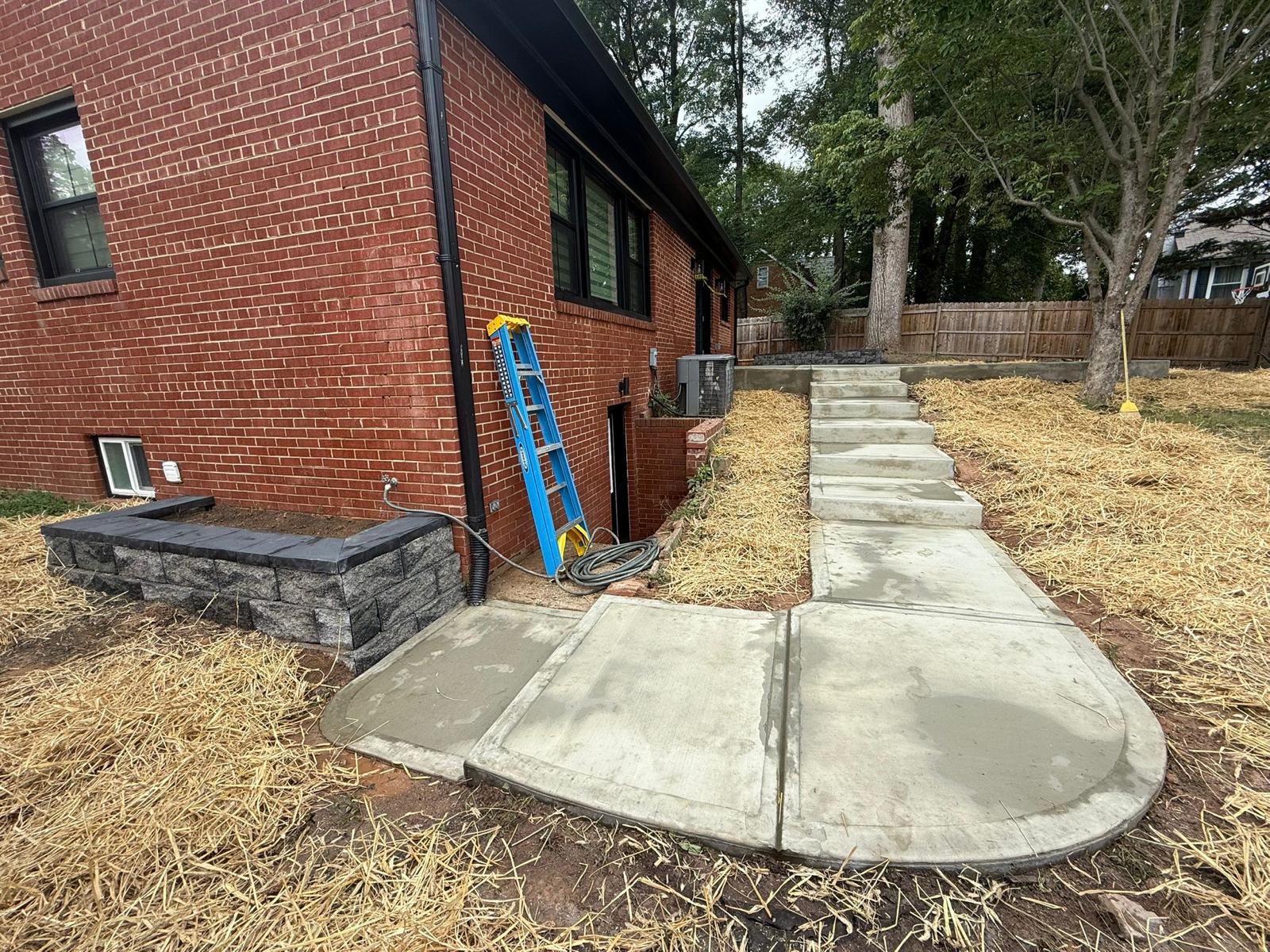
The Importance of Retaining Walls in Landscape Design
Retaining walls are an integral feature in landscape design, serving both aesthetic and functional purposes. They can transform a sloped area into usable space while preventing soil erosion and managing drainage. In this blog post, we will explore the importance of retaining walls, their various types, and how they can enhance your landscape.
What are Retaining Walls?
Retaining walls are structures designed to hold back soil and prevent erosion on sloped terrains. They are typically built from materials such as concrete, stone, or timber, and can be both decorative and practical.
Benefits of Retaining Walls
- Prevent soil erosion
- Create flat areas for gardening or patios
- Manage water drainage effectively
- Enhance the aesthetic appeal of a landscape
- Increase property value
Preventing Soil Erosion
One of the primary functions of retaining walls is to prevent soil erosion. By holding back soil, they stabilize slopes and reduce the risk of landslides, especially in areas with heavy rainfall.
Creating Usable Space
Retaining walls can transform a sloped area into flat, usable space for gardens, pathways, or patios. This makes your outdoor area more functional and visually appealing.
Water Drainage Management
Properly designed retaining walls can aid in water drainage, directing runoff away from your home and preventing water accumulation that could lead to foundation issues.
Types of Retaining Walls
- Gravity Walls
- Cantilevered Walls
- Sheet Piling Walls
- Anchored Walls
- Segmental Retaining Walls
Gravity Walls
Gravity walls rely on their weight to hold back soil. They are typically made from heavy materials such as concrete or stone. Their mass makes them suitable for shorter walls.
Cantilevered Walls
Cantilevered walls consist of a vertical wall and a horizontal base slab. They are designed to resist the lateral pressure of the soil, making them ideal for taller structures.
Sheet Piling Walls
Sheet piling walls are made from thin sheets of steel, vinyl, or wood driven into the ground. They are commonly used in waterfront properties or areas with limited space.
Anchored Walls
Anchored walls use cables or rods anchored to the soil behind the wall to provide additional support. They are versatile and can be used in various applications.
Segmental Retaining Walls
Segmental retaining walls are made from interlocking blocks that create a stable structure without the need for mortar. They are popular for their ease of installation and aesthetic options.
Design Considerations
When designing a retaining wall, several factors must be considered to ensure its effectiveness and longevity.
- Soil type and condition
- Height and length of the wall
- Drainage solutions
- Aesthetic preferences
- Budget constraints
Soil Type and Condition
Understanding the type of soil is crucial, as different soils have varying levels of stability and drainage capabilities.
Height and Length of the Wall
The height and length will determine the design and materials required. Taller walls will need more structural support.
Drainage Solutions
Incorporating proper drainage solutions will prevent water buildup, reducing pressure on the wall and extending its lifespan.
Conclusion
Retaining walls are essential components in landscape design that serve multiple purposes. From preventing soil erosion to enhancing property aesthetics, understanding their benefits and types can help you make informed decisions for your landscaping projects. If you're considering adding a retaining wall to your property, consult with professionals to ensure optimal design and functionality.