How to Choose the Right Concrete for Your Project
Choosing the right concrete for your construction project is crucial for ensuring durability, aesthetic appeal, and cost-effectiveness. With various types of concrete available, it can be overwhelming to determine which one best suits your needs. This guide will help you navigate through the different concrete types and provide insights on choosing the right one for your specific project.
Understanding Different Types of Concrete
Concrete is not just a single material; it comes in several types, each designed for specific applications. Below are the most common types of concrete used in construction:
- Standard Concrete: Commonly used for sidewalks, driveways, and buildings.
- High-Strength Concrete: Ideal for structures that require extra durability, like bridges and high-rise buildings.
- Pervious Concrete: Allows water to pass through, making it suitable for environmentally-friendly projects.
- Decorative Concrete: Used for aesthetic purposes, including stamped, stained, or colored concrete.
- Self-Consolidating Concrete: Flows easily into complex forms without the need for vibration.
Factors to Consider When Choosing Concrete
Selecting the right concrete involves several considerations. Here are key factors to keep in mind:
- Project Type: Determine if the project is structural or decorative.
- Load Requirements: Assess the weight and load-bearing needs of your project.
- Environmental Conditions: Consider climate and exposure to elements.
- Aesthetic Preferences: Choose a concrete type that aligns with your design vision.
- Budget: Evaluate the cost implications of different concrete types.
Common Uses for Different Concrete Types
Understanding the common applications of various concrete types can guide your selection process. Here are some examples:
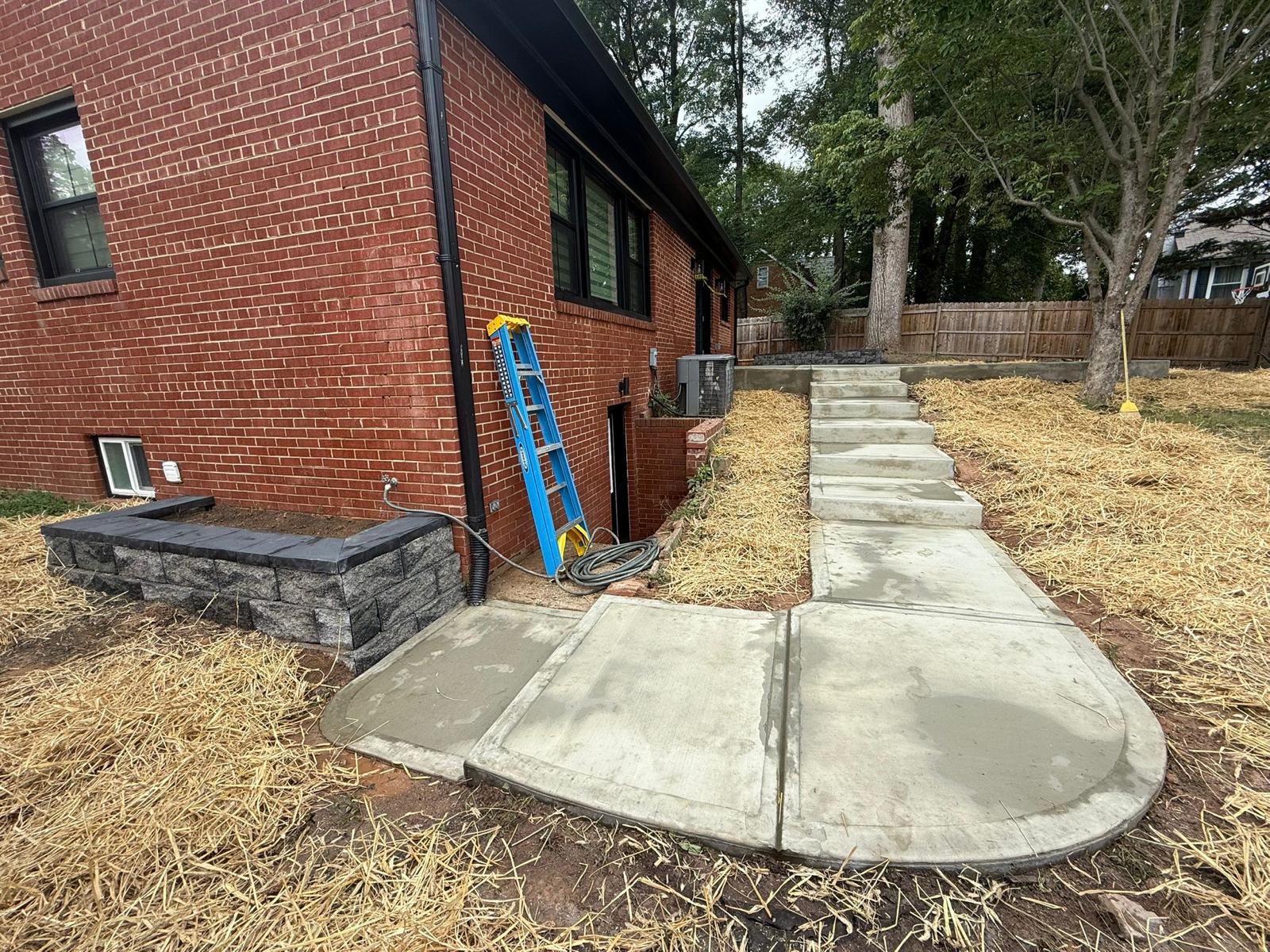
- Standard Concrete: Best for foundations, driveways, and sidewalks.
- High-Strength Concrete: Used in high-rise buildings, bridges, and industrial structures.
- Pervious Concrete: Excellent for parking lots, walkways, and drainage systems.
- Decorative Concrete: Ideal for patios, pool decks, and interior flooring.
- Self-Consolidating Concrete: Suitable for complex architectural forms and precast elements.
Tips for Working with Concrete
Once you've selected the right type of concrete for your project, consider the following tips to ensure a successful application:
- Prepare the Site: Clear and level the area where the concrete will be poured.
- Use Quality Materials: Ensure you source high-quality concrete and aggregates.
- Follow Mixing Guidelines: Adhere to the recommended ratios for mixing concrete.
- Monitor Weather Conditions: Avoid pouring concrete during extreme temperatures or rain.
- Consider Curing Time: Allow adequate time for the concrete to cure and gain strength.
Conclusion
Choosing the right concrete for your project is a vital step in ensuring its success. By understanding the types of concrete available and considering factors such as project type, load requirements, and environmental conditions, you can make an informed decision. Whether you are undertaking a simple home improvement project or a large-scale construction, the right concrete will enhance durability, aesthetic appeal, and functionality.
Contact Us
At I & F Concrete Construction, we are here to assist you in selecting the right concrete for your needs. Contact us today for expert advice and quality concrete solutions.